
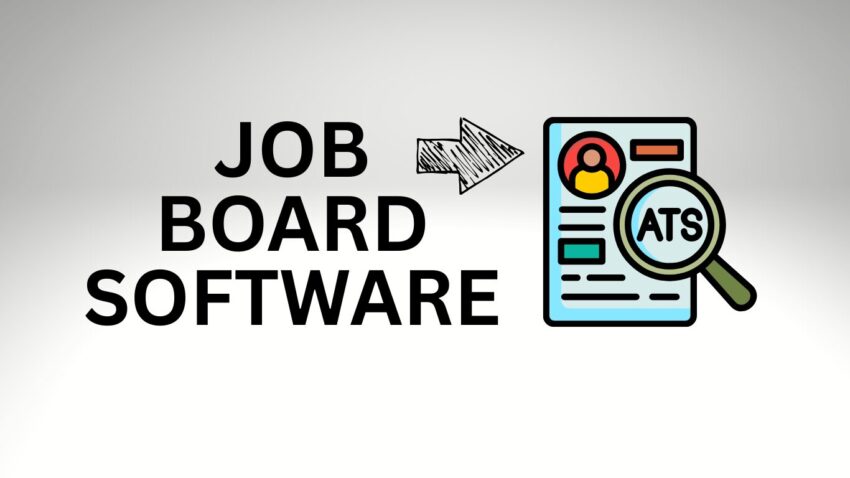
In the world of recruitment technology, the line between “Job Board Software” and “Career Site Software” is razor-thin—and that thin line represents a massive, untapped revenue opportunity.
The core architecture of a modern job board platform like Smart Job Board or Jboard is effectively a “B2B SaaS” product in waiting. These platforms are already built like Applicant Tracking Systems (ATS): they feature candidate databases, resume parsing, Kanban-style hiring pipelines, and automated communication tools.
The pivot from a public marketplace to a private SMB career tool is simple: take away the “Post a Job” button for external users. By repositioning this tech as a dedicated “Career Site + Light ATS” solution for Small and Medium Businesses (SMBs), vendors can capture a segment of the market that finds traditional ATS platforms too complex and standard CMS templates too primitive.
The “Stealth ATS” Within Job Boards
Most SMBs today face a “Goldilocks” problem. A WordPress site with a basic contact form is too simple (resumes get lost in email), but a full-scale enterprise ATS like Workable or Greenhouse is too expensive and feature-heavy.
Job board software sits in the “just right” zone. Platforms like Smart Job Board already offer:
- Kanban Boards: For moving candidates through stages (Screener, Interview, Offer).
- Employer Dashboards: A centralized place for SMB owners to see all applicants.
- Resume Management: Built-in viewers and search functionality.
- Custom Branding: The ability to look like a seamless part of the company’s website.
By offering a white-labeled version of this specific feature set, job board vendors aren’t just selling a “listing service”—they are selling a Recruitment Operating System.
Why This is a High-Margin Opportunity
- Lower Churn, Higher Stickiness: A job board is a transactional purchase (pay for a 30-day post). A career site is an infrastructure purchase. Once a company embeds your career portal on their
company.com/careerspage, they are unlikely to switch. - Product-Led Expansion: Vendors like Jboard have already started adding ATS add-ons for employers. The next logical step is to sell the platform only as a career site to businesses that don’t want a public-facing job board, but need the backend management tools.
- The “SEO-in-a-Box” Advantage: Most job board software is natively optimized for Google for Jobs. Small businesses struggle with the technical schema required to get their jobs indexed. A job board vendor can offer “instant Google visibility” as a core selling point of their career site software.4
The SMB Value Proposition
| Traditional Method (Email/CMS) | The “Job Board Tech” Career Site |
| Resumes lost in the owner’s inbox. | Structured database with searchable tags. |
| Manual emails to every applicant. | Automated “Thank you for applying” workflows. |
| Zero tracking of applicant source. | Built-in analytics on where hires come from. |
| Hard-to-read PDF attachments. | Native resume parsing and candidate profiles. |
Conclusion: From Marketplace to Middleware
The future for vendors in this space isn’t just facilitating the connection between a seeker and a job; it’s managing the process that follows. By stripping away the marketplace elements and focusing on the internal utility, platforms like Smart Job Board and Jboard can move upstream, transforming from niche tools into essential business infrastructure for the millions of SMBs that hire 1–50 people a year.